
What is pityriasis versicolor?
Pityriasis versicolor is a superficial fungal skin infection caused by yeasts that live naturally on the skin when they become overactive. It produces lighter or darker patches with slight flaking, often on the body and shoulders. After sun exposure the patches stand out more, because the affected skin tans unevenly. The condition isn't dangerous, but it does tend to recur.
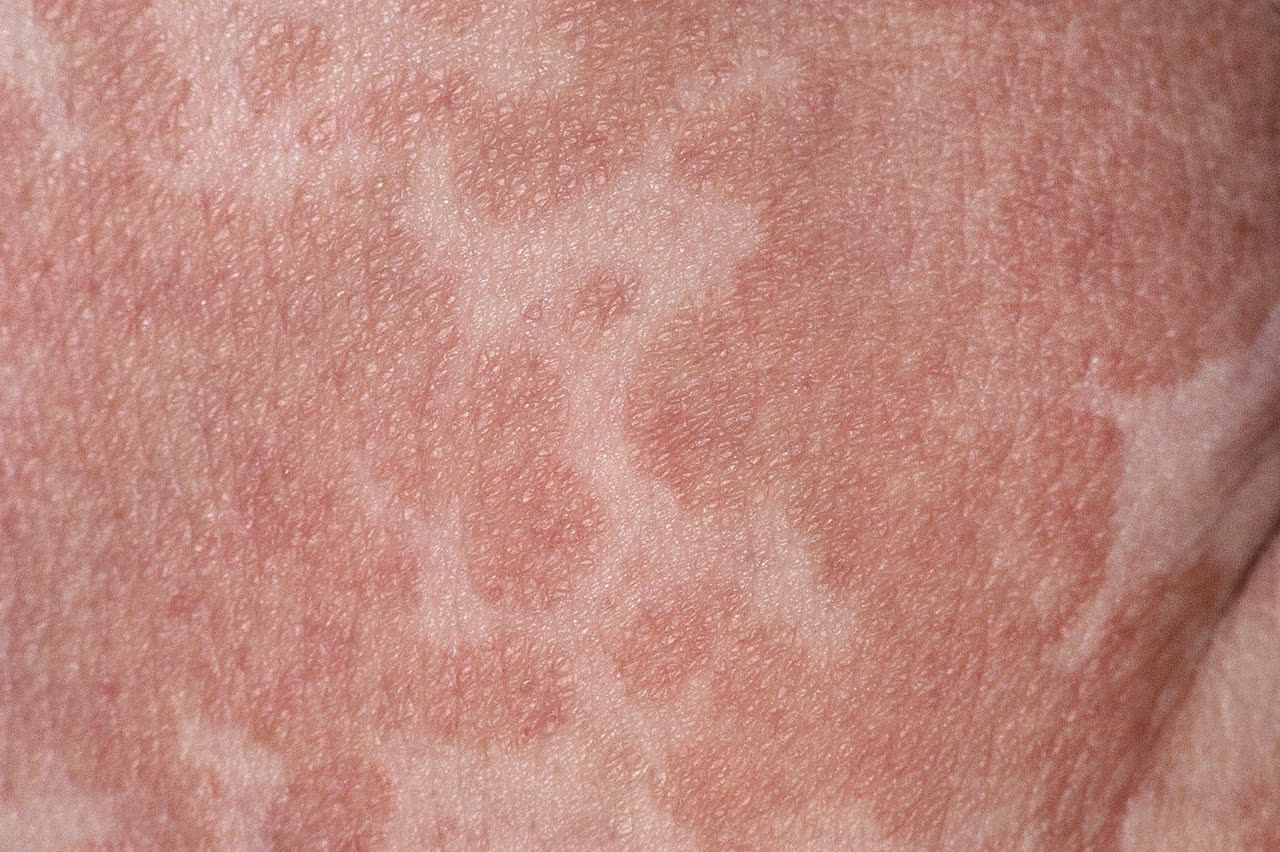
Common signs
What encourages pityriasis versicolor
Pityriasis versicolor is caused by yeasts that live naturally on the skin and become overactive under certain environmental and skin conditions. A careful assessment helps tell it apart from other skin patches and prescribe the right treatment.

Warmth and moisture
Hot, humid weather creates the right conditions for the yeasts on the skin to multiply and encourages the infection to spread.

Heavy sweating
Frequent, heavy sweating - active sport or heat - creates an environment in which the yeasts grow more quickly.

Oily skin
A higher amount of natural oil on the skin creates better conditions for the yeasts to thrive and for infection to develop.

Summer season
The patches are usually most noticeable and stand out most during the warm season and right after sunbathing.
How we treat pityriasis versicolor
We choose treatment according to the size and spread of the patches. The dermatologist confirms it is pityriasis versicolor rather than another skin condition and prescribes treatment that clears the infection and reduces recurrence.
Even after the infection has been successfully cleared, it takes a few weeks or months for the skin tone to even out - this is a normal part of the process, which the doctor will explain.
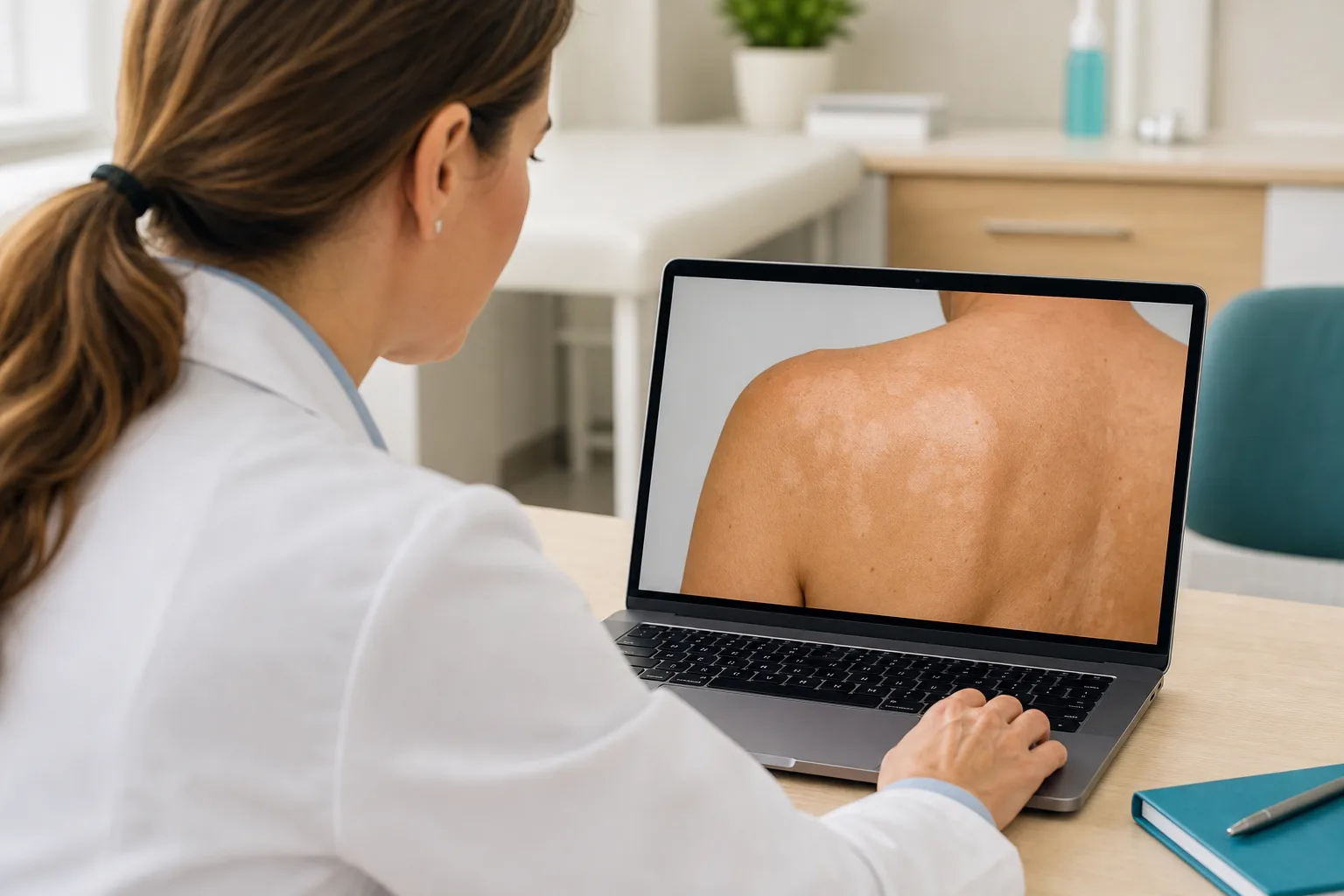
How treatment works
The dermatologist recognises pityriasis versicolor and tells it apart from other skin patches based on photos and symptoms.
In most cases prescription topical antifungal products, which are easy to use at home, are enough.
For widespread pityriasis versicolor, prescription oral treatment for a faster result.
We explain that the patches take time to even out even after the infection is cleared - this is normal.
Advice on reducing recurrence during the warm season and protecting the skin from a new infection.
iThe iDerma advantage

Experienced skin specialists
Our team is made up of dermatovenereologists who recognise fungal and other skin conditions every day.
A fast assessment of the patches
You receive an assessment of your patch photos and a treatment plan within 24 hours, with no long waits to see a specialist.

Prescription treatment if needed
If needed, the dermatologist prescribes antifungal products directly and remotely.

Confidential and secure
Your body skin photos and personal data are handled securely and in complete confidence.

Money-back guarantee
If we are unable to assess the patches remotely, we refund 100% of the consultation fee.

Help before your holiday
You fill in a form, attach photos of the patches and start treatment in good time - without leaving home.
Doctors, treating pityriasis versicolor
"Professionalism, clear communication and attention to every detail - exactly what we expect from every consultation."
About usService pricing
Initial dermatologist consultation
45,00 €Follow-up consultation
A later visit for the same conditionAny follow-up questions straight after your consultation are free. A repeat consultation is only needed when your condition is being reassessed.
With a 100% money-back guarantee if we are unable to provide the consultation remotely.
Frequently asked questions
1. Is pityriasis versicolor contagious?
It isn't considered very contagious, because the yeasts live naturally on the skin. They become overactive due to environmental and skin factors.
2. Why are the patches more visible after sun exposure?
The affected skin tans unevenly, so the patches stand out more.
3. Will the skin tone even out straight away?
No. The infection is cleared fairly quickly, but it takes a few weeks or months for the tone to even out.
4. Does pityriasis versicolor recur?
Yes, it tends to return, especially during the warm season. Good prevention lowers the risk.
5. Can it be treated remotely?
Yes. The dermatologist assesses the patches from photos and prescribes treatment.
6. How much does a consultation cost?
An initial dermatologist consultation at iDerma costs 45 €, backed by a 100% money-back guarantee.